Electric car not charging? 8 common causes and how to fix them
You plug in your electric car and nothing happens, or charging stops after a few minutes. Before calling for assistance, check these eight frequent causes.
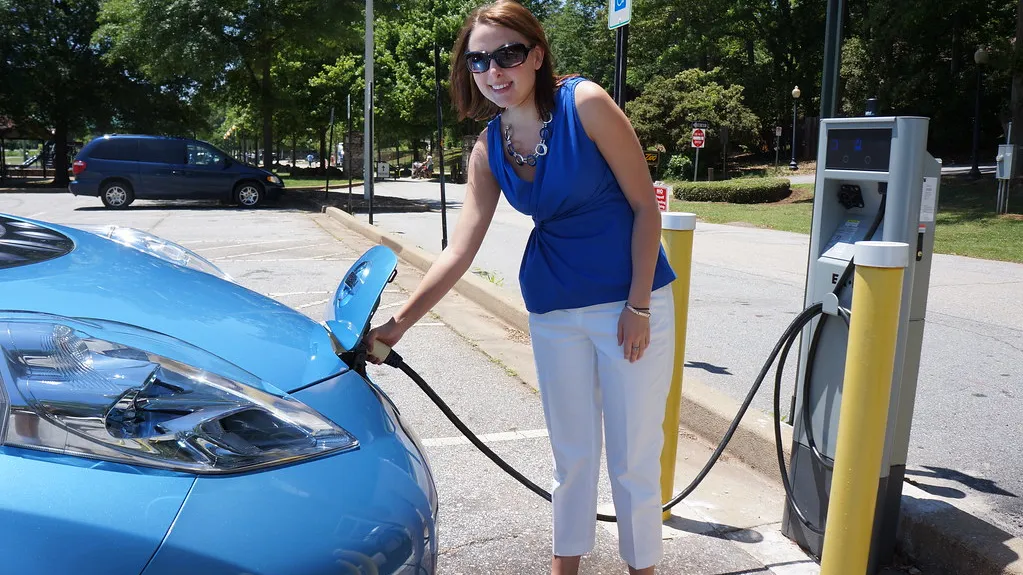
Few things are more frustrating than plugging in your electric car in the evening and discovering the next morning that the battery has not gained a single kilometre. Fortunately, in most cases the problem is simple and can be solved without a garage visit.
1. Scheduled charging is enabled
Many cars and wallboxes allow you to delay charging to benefit from off-peak electricity. If a schedule is active, the car will wait until the programmed time. Check the charging settings in the car and in the app, and use the "charge now" option if available.
2. The charge limit has been reached
If you have set a maximum charge level (80% for example) and the battery is already at that level, charging will not start. This is normal behaviour, not a fault.
3. The connector is not properly locked
For safety, charging only begins when the plug is fully inserted and locked. Unplug, check that nothing obstructs the socket, then reconnect firmly until you hear the lock engage. An indicator light near the charging port usually confirms the status.
4. The session has not been authorised
At public stations, charging only starts after authorisation by card, app or contactless payment. A network error, an expired card or insufficient credit can block the session. Try another payment method or another charging point.
5. The charging station is faulty
Public chargers sometimes fail or work at reduced power. If another car charges normally on the same station, the problem is probably on your side; if not, report the fault to the operator using the number displayed on the station.
6. The home installation trips
If the circuit breaker or residual-current device trips when you start charging, the circuit may be overloaded or not suited to long charging sessions. A standard household socket is not designed to supply high current for hours. Have your installation checked by a qualified electrician and, ideally, install a dedicated wallbox.
7. The battery is too cold or too hot
In winter, a cold battery accepts much less power, especially at fast chargers. In heatwaves, the car may also reduce charging power to protect the cells. Use battery preconditioning if your car offers it before arriving at a fast charger, and expect slower charging in extreme temperatures.
8. The 12V battery or software has a problem
A weak 12V battery can prevent the charging electronics from waking up. A software bug can also disrupt communication with the charger. Restart the car's systems as described in the manual, check that the latest software update is installed and have the 12V battery tested.
When should you see a professional?
Contact your dealer or a specialist garage if:
- the car does not charge on any station or cable;
- the charging port or plug shows signs of burning, melting or damaged pins;
- an error message related to the charging system or high-voltage battery persists;
- charging power is permanently much lower than usual.
Never try to repair a charging cable, a socket or any high-voltage component yourself. These systems carry dangerous voltages and must be handled by trained technicians.