Buying a used electric car: how to check the battery
A used electric car can be an excellent deal, provided its battery is in good health. Here are the checks to carry out and the questions to ask before you buy.
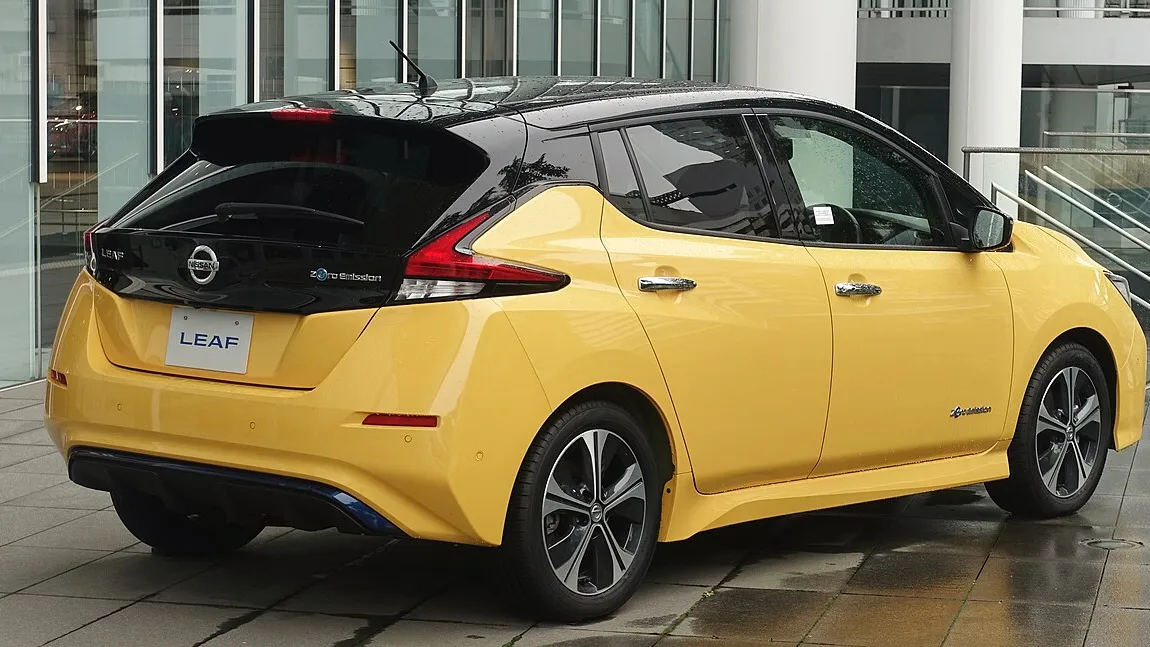
Used electric cars are becoming more numerous and more affordable. They can be a very good deal: lower running costs, simple maintenance and prices that have fallen sharply on the second-hand market. But one question dominates every purchase: what condition is the battery in? It is the most expensive component of the car, and its health determines the range you will actually enjoy.
Understanding battery health (SoH)
The State of Health (SoH) expresses the remaining capacity of a battery as a percentage of its capacity when new. A battery with a SoH of 90% can store 90% of the energy it held originally, which roughly means 90% of its initial range.
The good news is that modern batteries age slowly. Real-world fleet data generally show an average loss of the order of a few percent in the first years, then a slower decline, with big differences depending on the model, the climate and the way the car has been used.
1. Ask for a battery health report
This is the most important document. There are several ways to obtain it:
- a diagnostic from the manufacturer's network, which can read the data recorded by the battery management system;
- an independent battery certificate issued by specialised companies, often after a short test;
- the information displayed by the car itself, on models that show the battery health in their menus.
Be wary of a seller who refuses any check: a serious professional or private seller should accept a test.
2. Check the battery warranty
Most manufacturers guarantee the battery for 8 years or 160,000 km, usually with a minimum capacity of around 70%. Check the first registration date, the mileage and the conditions of transfer of the warranty to a new owner. A car still covered by several years of battery warranty is much more reassuring.
3. Find out whether the battery is owned or leased
Some older electric cars were sold with a leased battery: the buyer owned the car but paid a monthly rent for the battery. If this is the case, find out about the contract, its cost and the possibility of buying the battery outright.
4. Look at the history of use
- Ask for the service history and proof of software updates.
- Ask how the car was charged: mainly at home, or very often on fast chargers?
- Check for recalls concerning the battery or the charging system, and make sure they have been carried out.
- Inspect the underside of the car: impacts or deformation of the battery pack must be checked by a professional.
5. Test the car in real conditions
During the test drive, check that the car charges correctly, on AC and, if possible, on a fast charger. Look at the range displayed at a high charge level, but interpret it with caution: this estimate depends on the previous driver's habits and on the temperature. A health report remains more reliable.
6. Check the charging equipment and capabilities
- Is the charging cable supplied with the car?
- What is the maximum AC charging power (on-board charger)? A car limited to low power will charge slowly at home.
- Does the car accept fast DC charging, and at what power? This is essential if you plan long trips.
Our advice
A used electric car with a documented battery health above 85 to 90%, still under battery warranty and with a clear maintenance history, is generally a safe purchase. Compare the real range of the model with your daily needs, keeping a margin for winter, and do not hesitate to have an independent check carried out: it costs little compared to the peace of mind it brings.