Mild hybrid, full hybrid, plug-in, electric: the differences explained
MHEV, HEV, PHEV, EREV, BEV: car brochures are full of acronyms. Here is a clear comparison of each technology, how it works and who it suits best.
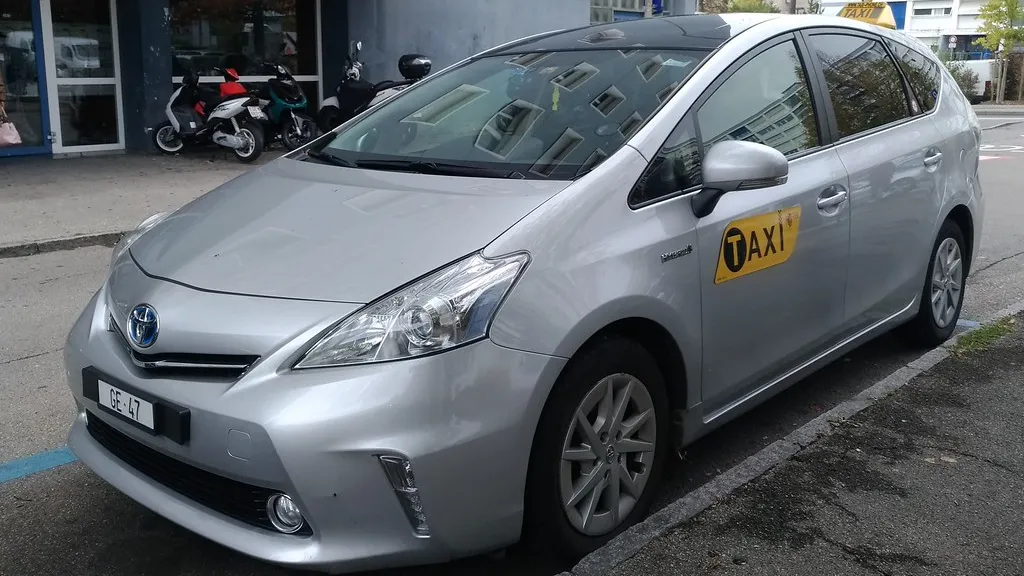
The word "hybrid" covers very different technologies. Some can drive several dozen kilometres on electricity, others never move without their petrol engine. Understanding these differences helps you avoid disappointment and choose the car that matches your use.
Mild hybrid (MHEV)
A mild hybrid uses a small electric motor-generator, usually connected to a 48-volt system. It assists the combustion engine during acceleration, recovers energy when braking and makes the stop-start system smoother.
- Electric driving: no, or almost none.
- Charging: not needed.
- Benefit: a modest reduction in fuel consumption, at a limited extra cost.
Full hybrid (HEV)
A full hybrid, sometimes called "self-charging hybrid", has a more powerful electric motor and a larger battery, recharged by the engine and braking. It can drive on electricity alone at low speed, for short distances, for example in traffic or when manoeuvring.
- Electric driving: short distances at low speed.
- Charging: not needed, and not possible from a socket.
- Benefit: significantly lower consumption in town, proven reliability on many models.
Plug-in hybrid (PHEV)
A plug-in hybrid has a much larger battery that is charged from a socket or a charging station. It can typically drive between 40 and 100 km in electric mode (official figures) before the combustion engine takes over.
- Electric driving: yes, for daily trips.
- Charging: essential to benefit from it.
- Benefit: electric driving every day, combustion range for long trips.
Range-extended electric vehicle (EREV)
In an EREV, the wheels are always driven by an electric motor. A small combustion engine acts only as a generator to recharge the battery when it runs low. This architecture has become popular again with several recent models.
- Electric driving: always electric drive; generally a substantial battery range.
- Charging: recommended, with fuel as a back-up.
Battery electric vehicle (BEV)
A fully electric car has no combustion engine at all. Its large battery offers several hundred kilometres of range and is charged exclusively from the grid.
- Electric driving: 100%.
- Charging: essential, at home, at work or on public networks.
- Benefit: lowest running and maintenance costs, zero exhaust emissions.
Comparison table
| Type | Electric-only driving | Plug in? | Typical battery | Best for |
|---|---|---|---|---|
| Mild hybrid (MHEV) | No | No | Under 1 kWh | Mixed driving, small budget |
| Full hybrid (HEV) | Short distances | No | About 1 to 2 kWh | Town driving without a socket |
| Plug-in hybrid (PHEV) | 40 to 100 km | Yes | 10 to 25 kWh | Daily charging + long trips |
| Range extender (EREV) | Always electric drive | Yes | Variable, often large | Electric feel with fuel back-up |
| Electric (BEV) | Always | Yes | 40 to 100+ kWh | Drivers who can charge regularly |
How to choose
Start with your possibilities for charging. Without a socket at home or at work, a full hybrid is often the most rational choice. If you can charge every day and occasionally make long journeys in areas with few chargers, a plug-in hybrid or a range extender can make sense. If you can charge easily, the electric car offers the lowest running costs. Mild hybrids, finally, mainly bring a small fuel saving over a conventional car.