Plug-in hybrid or full electric: which one should you choose?
A plug-in hybrid reassures with its petrol engine, an electric car promises lower running costs. We compare usage, costs and constraints to help you make the right choice.
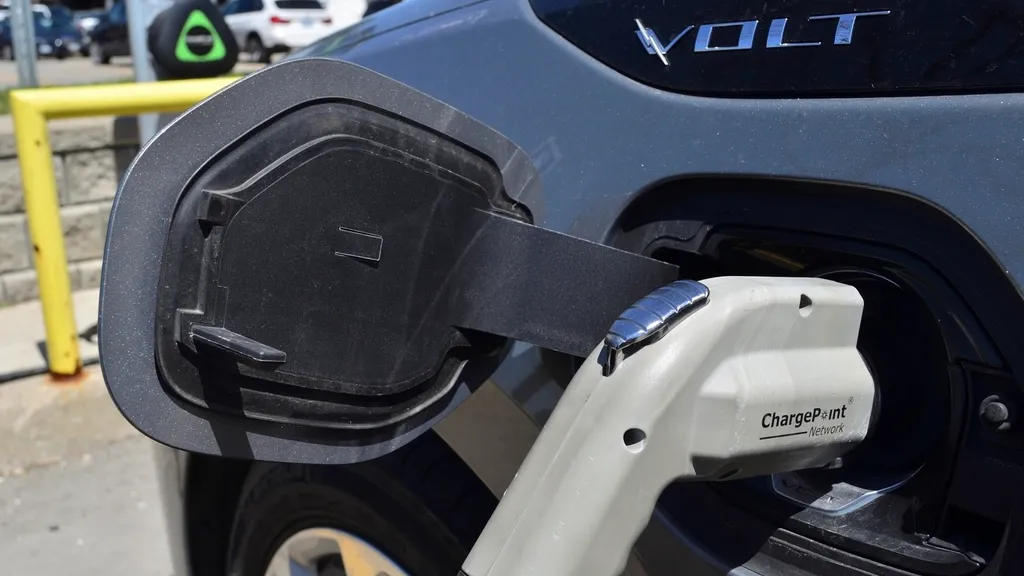
Hesitating between a plug-in hybrid (PHEV) and a 100% electric car (BEV) is very common. Both can be charged from a socket, both can drive without emissions in town, but they suit very different profiles. Here are the key points to compare.
How they work
A plug-in hybrid combines a combustion engine with an electric motor and a battery of medium size, usually between 10 and 25 kWh. It can drive in electric mode for a few dozen kilometres, then switches to hybrid operation with the petrol engine.
An electric car only has electric motors and a large battery, typically between 40 and 100 kWh, offering several hundred kilometres of range. It is recharged exclusively from the grid.
Range and long trips
- PHEV: official electric range is commonly between 40 and 100 km depending on the model, plus the full range of the petrol tank. No need to plan charging stops on long journeys.
- BEV: real-world range of 250 to 600 km for most recent models. Long trips require fast charging stops, generally 20 to 40 minutes every 2 to 3 hours of motorway driving.
Running costs
Charging at home is usually much cheaper per kilometre than petrol. An electric car takes full advantage of this on every trip. A plug-in hybrid only does so if it is charged very regularly.
That is the main trap: several real-world studies have shown that plug-in hybrids that are rarely charged consume much more fuel than their official figures suggest, because they then carry a heavy battery while running mostly on petrol.
Maintenance
An electric car has fewer parts to maintain: no engine oil, no spark plugs, no exhaust. A plug-in hybrid keeps all the maintenance of a combustion engine, plus the electrical components. Over several years, the difference can be significant.
Purchase price and incentives
Prices and incentives vary greatly from one country to another and change frequently. In many markets, purchase subsidies and tax benefits now favour fully electric cars. Compare the total cost of ownership over the period you plan to keep the car: price, incentives, energy, maintenance, insurance and resale value.
Which one is right for you?
Choose a plug-in hybrid if:
- your daily trips are short and you can charge every day at home or at work;
- you regularly drive long distances in areas where fast charging is still rare;
- you are not ready to change your travel habits yet.
Choose an electric car if:
- you can charge at home, at work or near where you live;
- most of your driving is daily commuting and regional trips;
- you want the lowest running and maintenance costs;
- a 20 to 30-minute break on long journeys does not bother you.
Our verdict
For drivers who can charge easily, the electric car is today the most economical and simplest solution in daily use. The plug-in hybrid remains relevant as a transition for those who drive long distances without reliable charging infrastructure, on the condition that it is charged regularly. Without a socket at home or at work, a conventional full hybrid may even be a better choice than a plug-in hybrid.